Beyond Adaptive Reuse: International Voices Shape the Future of Adaptive Architecture and Sustainability Practices
International symposium – (from) Adaptive Reuse (to) Adaptive Architecture- draws 106 scholars to present 74 papers and 4 keynotes dealing with case studies in 33 countries, including Canada at Carleton University
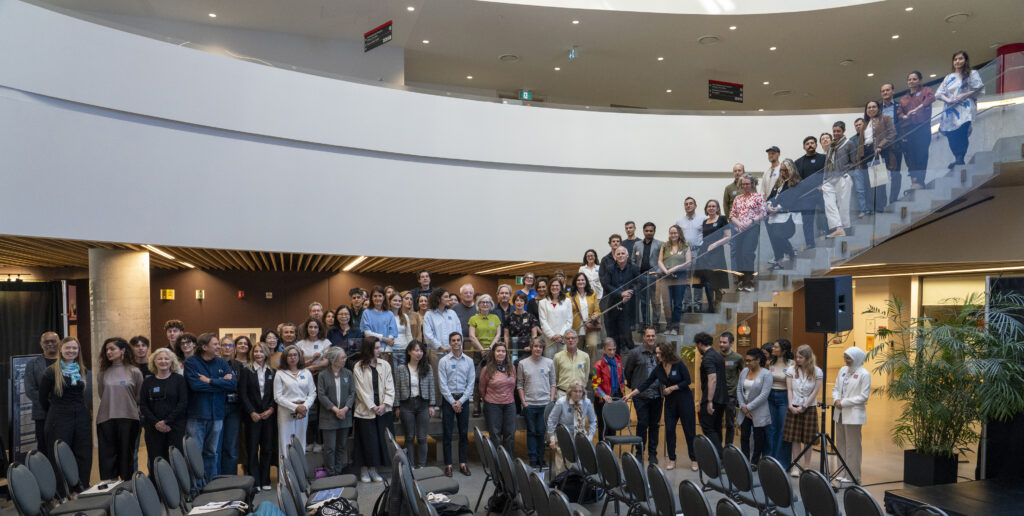
The international symposium (from) Adaptive Reuse (to) Adaptive Architecture, convened by Dr Federica Goffi (author of the call), Dr Mariana Esponda, and Dr Mario Santana, was recently held at Carleton University’s Nicol Building. This event is organised by the co-hosts as part of the activities associated with the SSHRC Partnership: Quality in Canada’s Built Environment: Roadmaps to Equity, Social Value and Sustainability, which is led by Canada Research Chair Jean-Pierre Chupin, University of Montreal. Over 3 days, 74 papers and 4 keynote talks were delivered by architectural theorists, scholars, architects, conservation architects, engineers, graduate students, and industry professionals who joined the Azrieli School of Architecture & Urbanism from 33 countries worldwide.
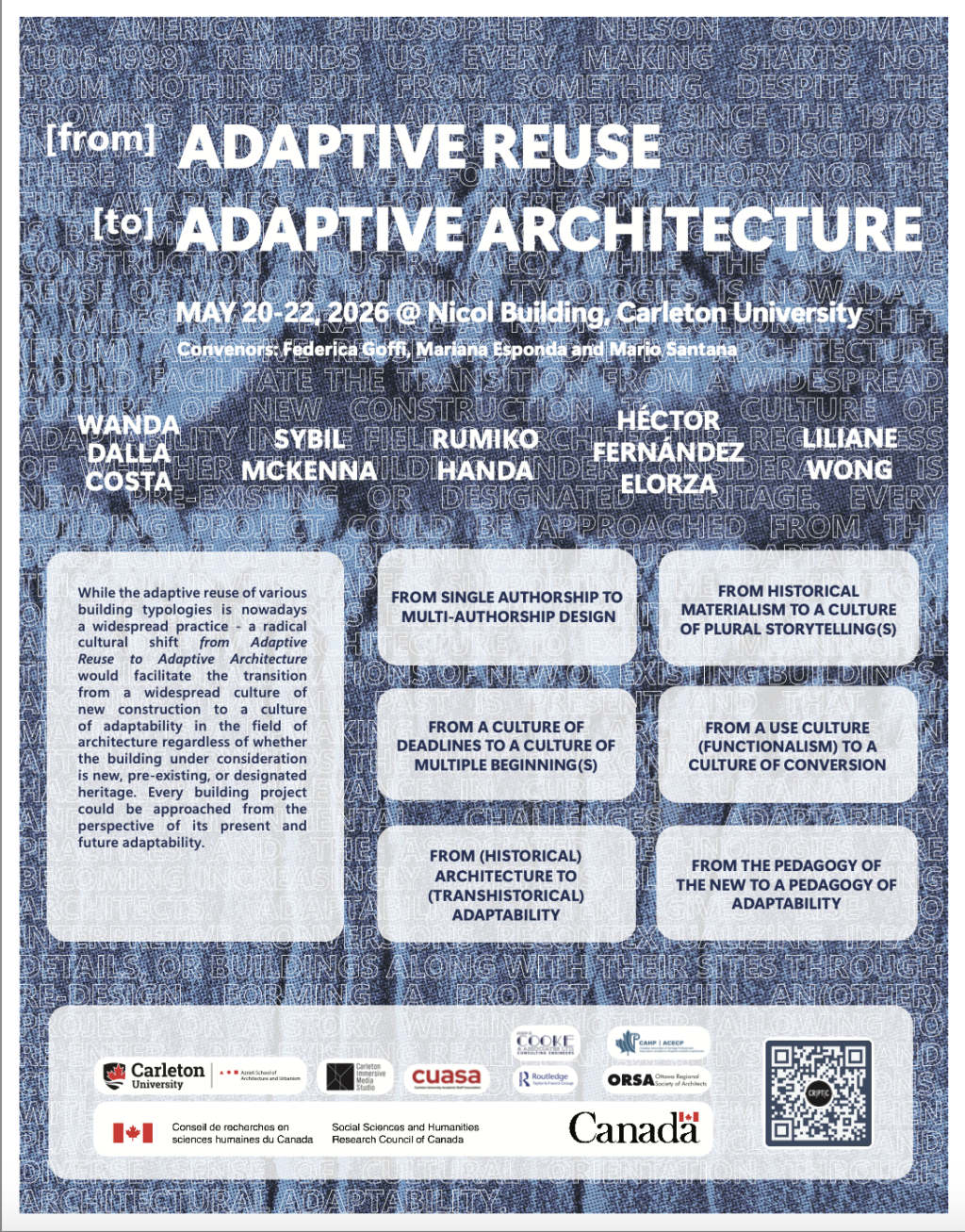
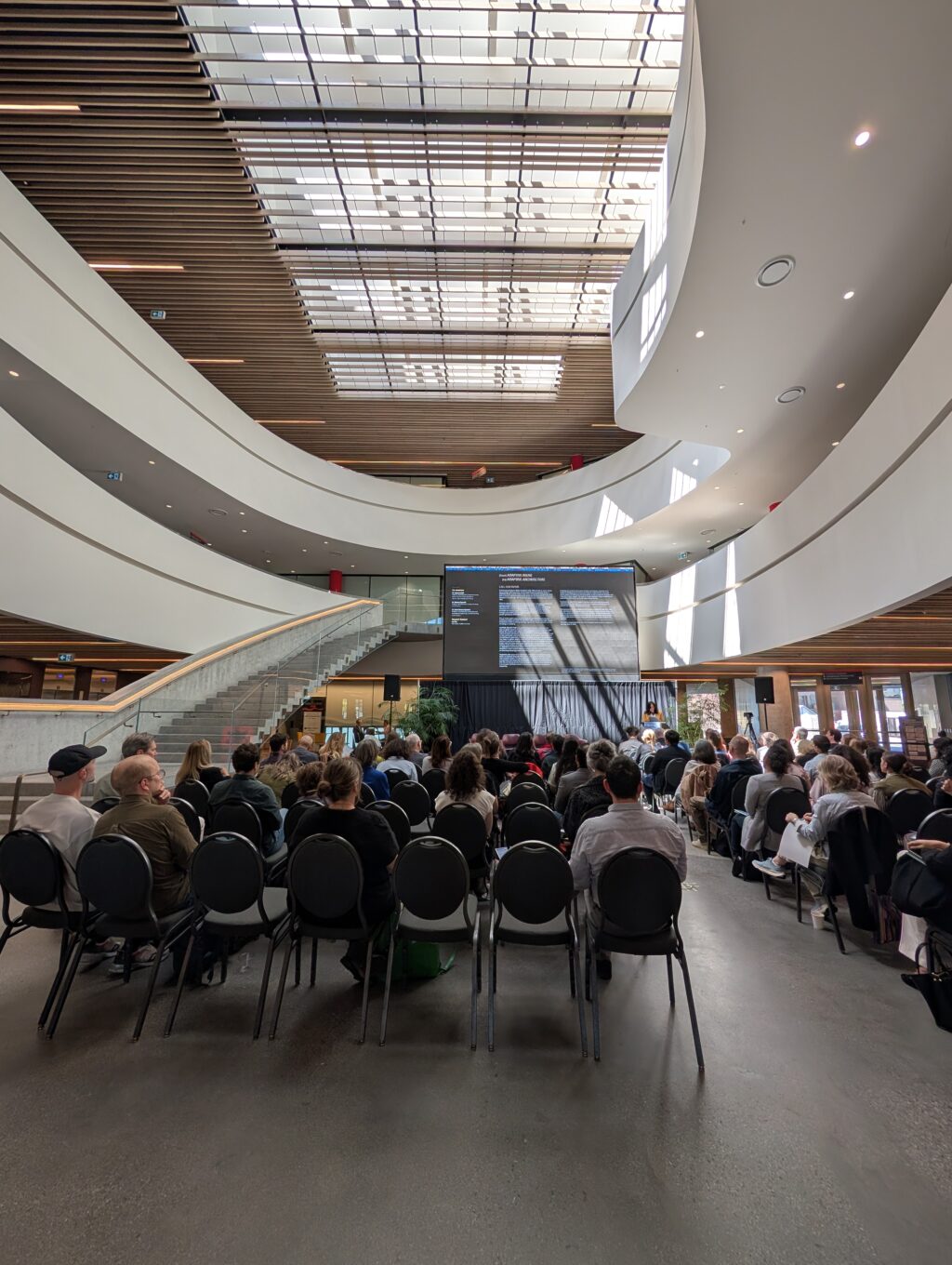
The hybrid event (May 20–22) explored how adaptability can shape the future of architecture, sustainability, conservation, and the built environment. Keynote lectures, paper presentations, and interdisciplinary discussions examined architecture as an evolving practice rooted in transformation, renewal, and cultural continuity. Participants engaged with topics ranging from heritage conservation and climate adaptation to socially equitable design and sustainable building practices.
Four keynote speakers, renowned for their work in this field, joined the event:
Dr. and architect Wanda Dalla Costa (Arizona State University, US, who is a member of the Saddle Lake Cree Nation in Northern Alberta, Canada)
Architect Sybil Mckenna (EVOQ Achitecture, Canada, a Carleton alumna)
Dr. Rumiko Handa (Emeritus Professor at the University of Nebraska-Lincoln, UNL, US)
Dr. Liliane Wong (Professor at the Rhode Island School of Design, RISD, US)
The event drew strong engagement from audiences both locally and internationally, welcoming more than 130 in-person attendees, 40 participants online via Zoom, and over 1,400 viewers through the Cripticollab YouTube livestream.
The co-organizers extend sincere thanks to the Carleton Research | Practice of Teaching | Collaborative (CRIPTIC), the Azrieli School of Architecture and Urbanism (ASAU), the Carleton Immersive Media Studio (CIMS), the Faculty of Engineering and Design (FED), and Carleton University (CU). The symposium received funding from the Indigenous-focused programming of the Carleton University Academic Staff Association – CUASA.
Special thanks are extended to the event sponsors consisting of professional and academic institutions, including the Social Sciences and Humanities Research Council Connection Grant (SSHRC Connection), the sponsorship of the Ottawa Regional Society of Architects (ORSA), the Canadian Association of Heritage Professionals (CAHP-ACECP), John G. Cooke & Associates Ltd., Routledge, Francis and Taylor Group, Publisher of Professional & Academic Books.
The co-organisers would like to thank Dr Anne Bordeleau, the director of the ASAU, along with the technical and administrative staff of the school, for their support, and especially, Maria Cook, Holly Klenswormink, Jenelle Williams, Steve Macleod and Stephanie Lawrence. Dr Betina Appel Kuzmarov, Associate Vice-President and Vice-Provost (International Student Experience and Strategic Partnerships), and Dr Ron Miller, Dean of the Faculty of Engineering and Design joined the opening of the event. We wholeheartedly thank the wonderful team of Carleton graduate students who, in different roles, supported this event, and particularly Aymen Aiblu, David Bastien Allard, Sena Kurcenli Koyunlu, Kitt Man, Romy Poletti, Emiliano Ruidiaz, along with a group of undergraduate students volunteers, Elilie Geve, Achilla Hamilton, Yasmeen Nabih, Paulo Razo Cruz, Jayne Taggart, as well as 2 MITACS students, Maria Luiza Bortolon from the Federal University of Paraná, and Yanin Mizar Pineda, a student from the Universidad de la Costa in Colombia.
The co-organisers thank the Sprott Business School of Carleton University for hosting the event in the Nicol Building. A special thank you goes to the Associate Dean Rebecca Renfroe and Deborah Casselman, Manager of Academic Operations. Along with them, the support of Conference Services, and especially Sarah Adams, Habeeba Mohamed, & Mica Villeneuve, & not last but not least Colin Elliott and his team from Production Services has been critical to the success of the event.
Congratulations and thank you to all the speakers, presenters, and attendees whose ideas and engagement contributed to the symposium’s success.
Through vibrant conversations and international collaboration, the symposium reinforced the growing importance of adaptive architecture in addressing today’s environmental, social, and cultural challenges while reimagining the future of design. The current prevalence of adaptive reuse in the building industry marks a beginning, but it is not an end in itself. A radical cultural shift from ‘adaptive reuse’ to ‘adaptive architecture’ is necessary to move the field of architecture from a dominant culture of new construction toward a pervasive ethos of adaptability. Under this framework, every building or site—regardless of heritage status or age—could be approached through the dual lens of its present and future adaptability. The call for papers was born from the belief that Adaptive Architecture is a vital attitude toward the built environment addressing global sustainability challenges.
Despite current pedagogical trends embracing a culture of reuse and recycling, architectural education still prioritizes new construction over remodeling and adaptation. Many of the papers presented addressed new methodological approaches recentering architectural design on adaptability questions.
The architectural historians and theorists, the conservation scholars, doctoral researchers, designers and practicing architects who joined us in this three-day event at Carleton drew out meaningful connections between architecture, and the qualities of sustainable environments as places aspiring to be socially just, inclusive and equitable.
If you missed the conference live, you will be able to watch the event on YouTube starting at the end of June 2026, when selected materials will be made available in open access.
Download the book of abstracts featured at the conference here: