Simon Martignago Takes Nuclear Energy Out of the Shadows
What happens when an architectural thesis begins with a question most people would never think to ask? For Azrieli School of Architecture M. Arch alumnus Simon Martignago, it led to a research project exploring nuclear energy, public perception and the role architecture can play in imagining a different future.
“What can architecture reimagine?”
For Simon Martignago, that question became much more than a classroom exercise. It became the starting point for a master’s thesis that would challenge how we think about nuclear energy—and eventually evolve into a solo exhibition, The World We Fear, at the Art Gallery of Northumberland in Cobourg, Ontario.
The question emerged during coursework in the Master of Architecture program. While classmates explored familiar spaces such as libraries, coffee shops and art galleries, Martignago wondered whether architecture could take on something less expected.
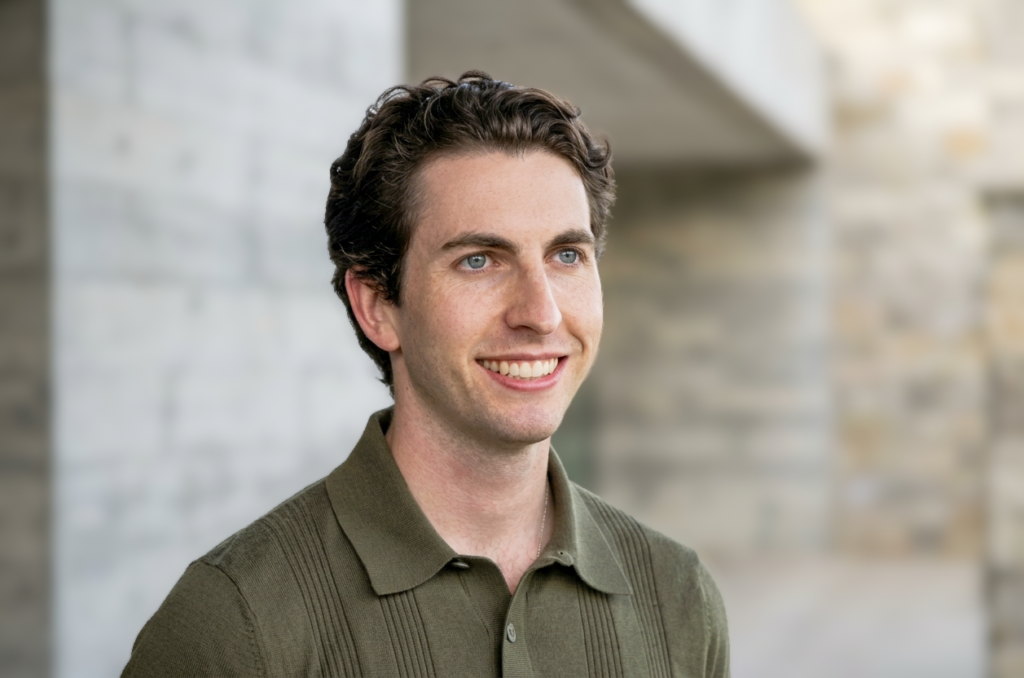
“What if architecture reimagines nuclear energy?” he asked a classmate.
The idea initially drew laughter from his cohort. But Martignago went home and began researching, discovering a subject full of contradictions, overlooked technologies and opportunities for architectural intervention. What began as a question became a two-year investigation into how architecture might reshape our relationship with nuclear energy.
Looking beyond the concrete walls
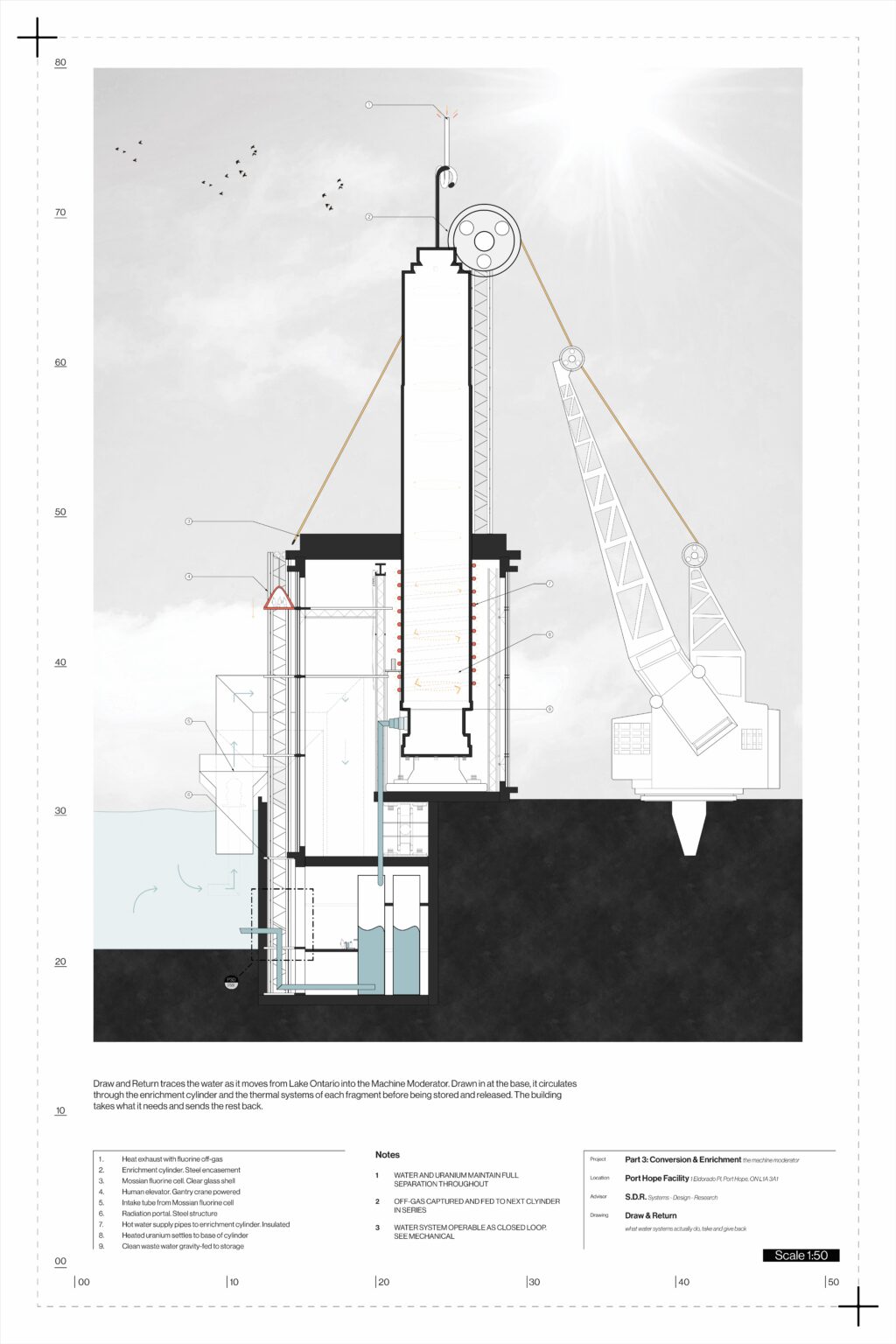
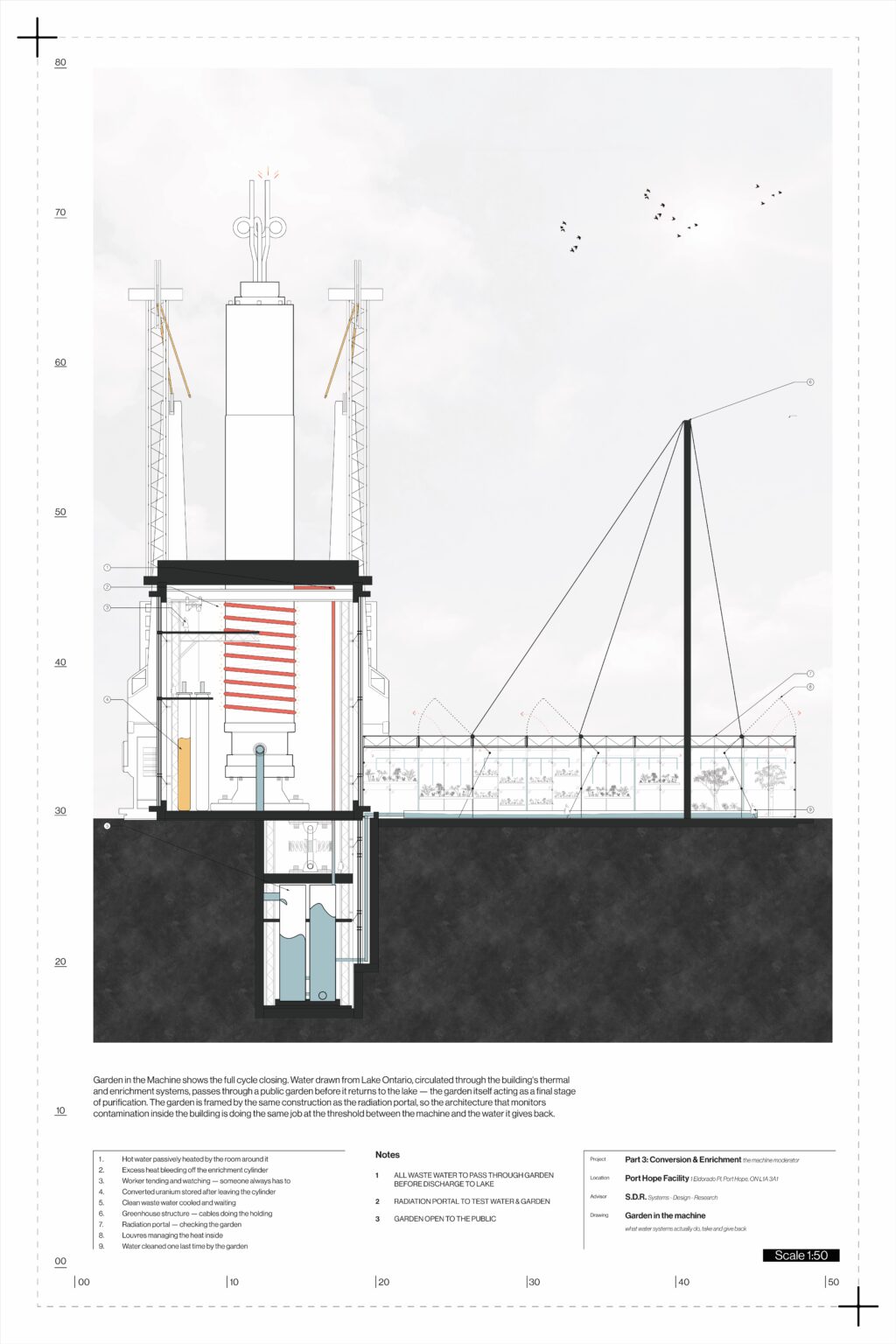
Nuclear infrastructure is designed around complex technical requirements, with safety and engineering at the forefront. Yet Martignago became interested in what might be missing when the technology takes priority over the people and communities living alongside it.
Visiting nuclear sites across Ontario, he encountered expansive facilities surrounded by security gates, fences and concrete. These environments seemed to communicate a message that contrasted with the industry’s assurances of safety: keep your distance, and don’t look too closely.
This tension became central to The World We Fear. Martignago explores two dimensions of fear: public anxiety about nuclear technology and the unknown, and the way nuclear infrastructure itself is designed and separated from public life.
For communities near existing or proposed nuclear facilities, he sees an opportunity to ask different questions. What if these sites were designed with greater public engagement in mind? What if architecture helped communities better understand the technologies in their midst? And what might these places become if their relationship with the surrounding landscape, local history and everyday life were considered from the beginning?
Rather than offering a single answer, Martignago wants his work to open up the conversation.
“We can’t step into a future that we can’t, dream about,” he explains.
Making the invisible visible
One of architecture’s strengths, Martignago argues, is its ability to communicate complex ideas visually. Through drawing, photography, aerial imagery and model-making, architects can translate systems that are difficult to understand into spatial experiences that people can see, question and interpret.
His research looks beyond the familiar image of the nuclear power plant to examine the infrastructure and technologies that make the industry possible—including components that rarely enter public consciousness.
By documenting existing conditions and developing speculative architectural proposals, Martignago uses the tools of architecture not simply to represent the present, but to imagine alternatives.
For him, speculation is an essential part of the design process. Architects can envision possible futures, test ideas and refine them through feedback from professors, peers and the public. The process allows weaker ideas to fall away while stronger ones develop.
It also offers a way for architecture to take a more active role in shaping change.
“Architecture doesn’t have to be in the back seat,” he says. “It can argue for positions of the future.”
Rather than waiting for a client to arrive with a vision of a future building, Martignago believes architects can help develop that vision themselves—identifying possibilities, asking difficult questions and proposing new ways forward before decisions have been made.
From thesis to exhibition
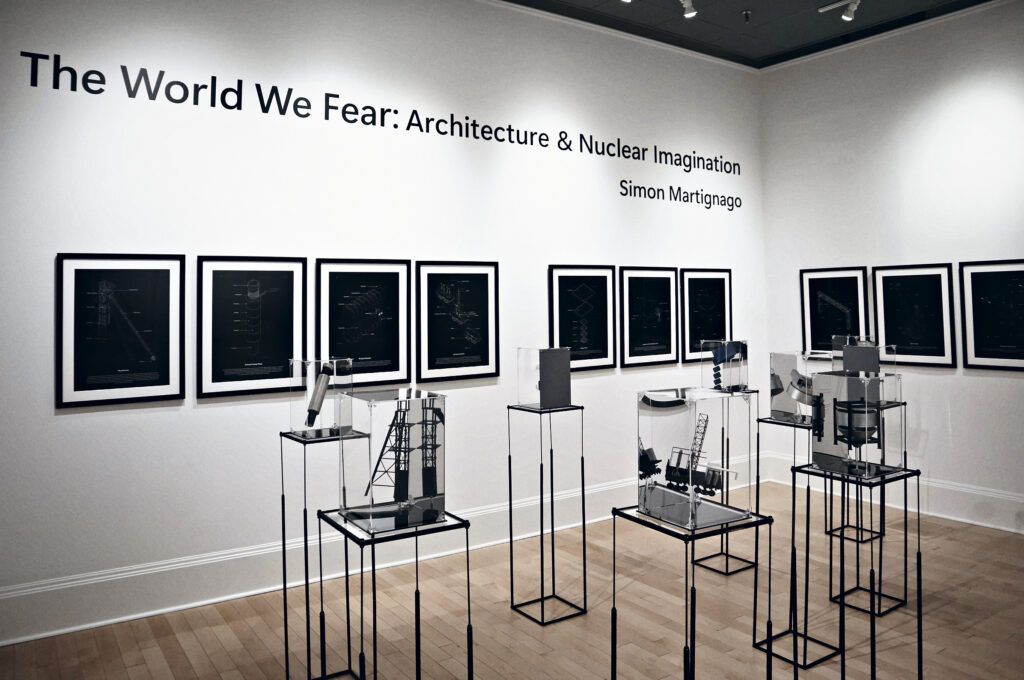
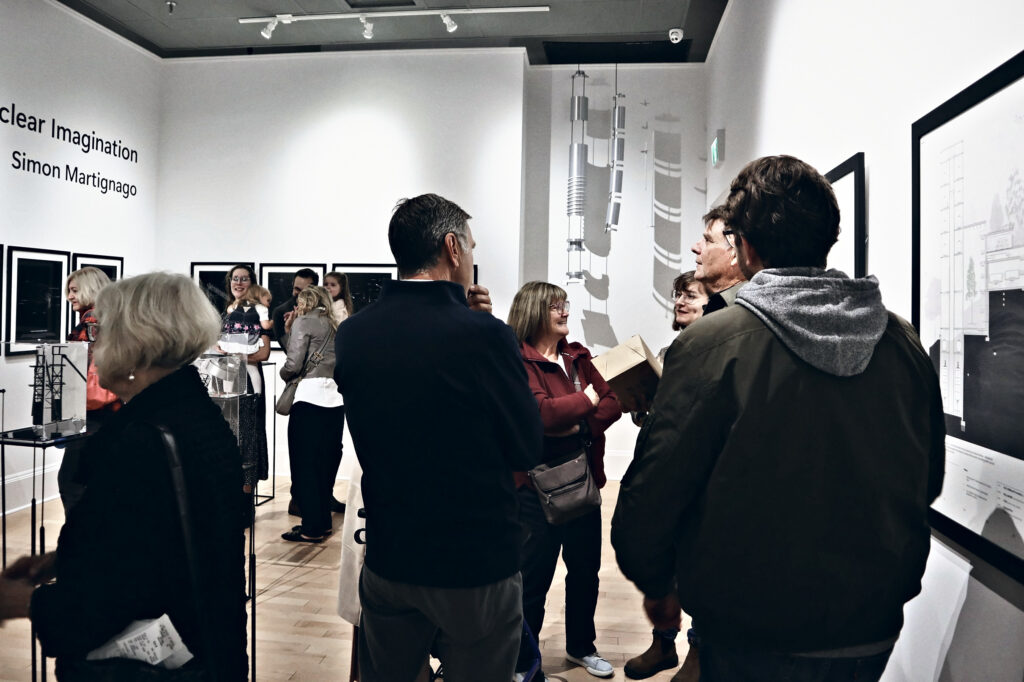
That ambition now extends beyond the university. Martignago’s thesis has become The World We Fear, a solo exhibition at the Art Gallery of Northumberland that brings his research to a broader public audience.
Translating an academic investigation into an exhibition required a different kind of storytelling. Instead of writing for a thesis committee familiar with architectural research, Martignago had to consider how visitors without an architectural background would encounter the work.
The challenge was to create a clear narrative: where the investigation began, how he studied and represented nuclear infrastructure, and what these explorations might make possible.
One of the most rewarding parts has been seeing how differently people respond to the work. A drawing of a reimagined nuclear plant prompted one visitor to reflect on the inclusion of plants, while another was drawn to the presence of a person within the space. Each noticed a different detail and found a different possibility in the same image.
For Martignago, these responses reinforce the value of making architectural ideas accessible. The exhibition does not prescribe what visitors should think. Instead, it invites them to reconsider the relationship between technology, fear and the built environment—and to imagine what might be possible if architecture were more involved in shaping that relationship.
The World We Fear is on view at the Art Gallery of Northumberland in Cobourg until November 28, 2026. Visit the gallery’s exhibition page for details.
Find the question that excites you
For current Master of Architecture students beginning their own thesis investigations, Martignago’s advice is straightforward: follow your curiosity.
His project did not begin with a conventional architectural brief or a predetermined career goal. It began with a question that genuinely interested him, even when others initially found it unexpected.
“Whatever the interest that persuades you, somebody else will find interesting,” he says. “Which is pretty much all you need—and go at that as hard as you can.”
It is advice that speaks to a broader possibility of architectural education. A thesis can be an opportunity to move beyond familiar building types, bring architectural thinking into unexpected fields and investigate questions that have not yet been fully explored.
Martignago’s journey—from a question posed in a classroom to a solo exhibition—demonstrates what can happen when students pursue an idea with curiosity and commitment. Architecture can do more than respond to the world as it exists. It can help us question that world, imagine alternatives and begin to make them possible.