ASAU Faculty Awarded New Frontiers in Research Fund Grant for Anti-Racist Architectural Co-Design Initiative
Faculty from Carleton University’s Azrieli School of Architecture &Urbanism (ASAU) have been awarded $247,375 through the Government of Canada’s New Frontiers in Research Fund (NFRF) Exploration program to advance innovative approaches to community-led architectural design.
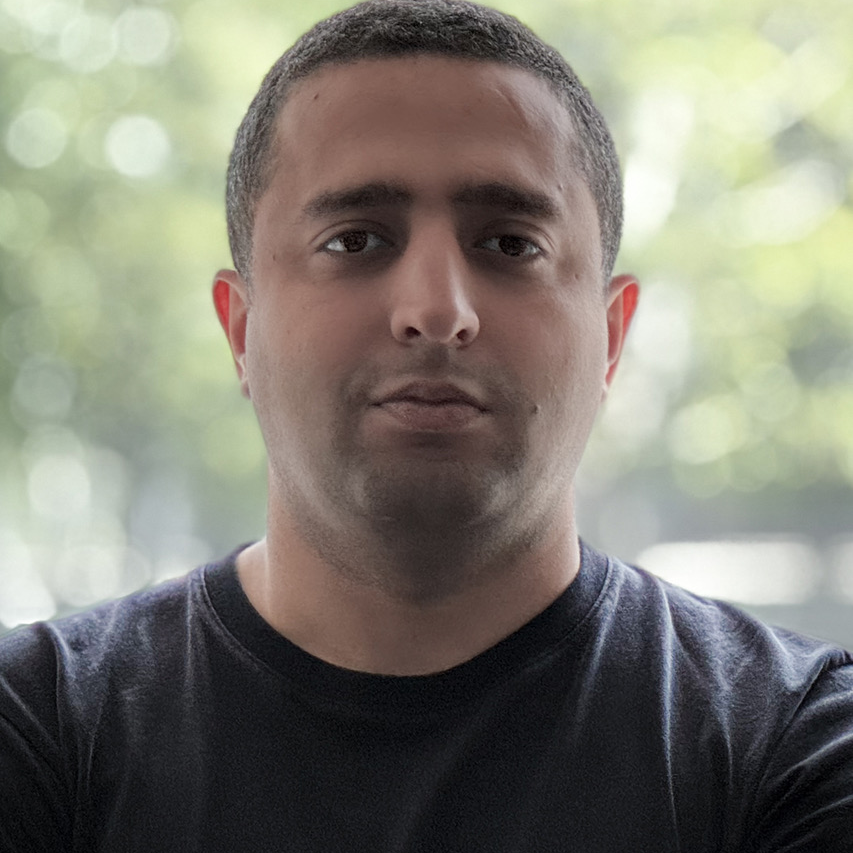
Led by Menna Agha, Assistant Professor at ASAU, and Hamza Bashandy, Assistant Professor in Carleton University’s School of Information Technology, the project brings together architecture, information technology, and community-based knowledge to challenge exclusionary practices in the design of cities and public spaces. The research team also includes co-applicant Rilla Khaled of Concordia University.
Administered by the Social Sciences and Humanities Research Council (SSHRC), the NFRF Exploration program supports research that pushes disciplinary boundaries and has the potential to create transformative impact.

Democratizing Architectural Design
Architectural co-design is often limited by unequal access to the digital tools and resources needed to participate meaningfully in the design process. Agha and Bashandy’s project seeks to address this challenge by developing a framework that combines anti-racist architectural practices with play-based and game-informed design methods.
Working alongside two predominantly Black communities in Ottawa, the researchers will co-create and test accessible design tools that empower residents—particularly racialized youth—to actively participate in shaping their built environments.
The initiative aims to move beyond traditional top-down approaches to architecture and urban design by creating a living repository of community-generated architectural knowledge and innovation. In doing so, it seeks to challenge colonial design practices and expand opportunities for non-architects to contribute meaningfully to decisions about the spaces they inhabit.
“Our work takes highly commercialized fields into the realm of grassroots activism,” said Agha. “It rethinks architectural tools not as professional monopolies but as shared community resources, a necessary condition for moving beyond performative participation and toward co-production of the city.”
The project reflects ASAU’s commitment to socially engaged design and demonstrates how interdisciplinary collaboration can help create more equitable, inclusive, and community-centred approaches to architecture and urbanism.
Congratulations to Menna Agha, Hamza Bashandy, and Rilla Khaled on this significant achievement.