Carleton Architecture Graduate Micaela Stokes Receives Prestigious Prix de Rome in Architecture
For Micaela Stokes, architecture has never been simply about designing buildings—it is about designing spaces where more people can see themselves reflected, welcomed, and supported.
That vision has earned the recent Master of Architecture graduate from Carleton University’s Azrieli School of Architecture & Urbanism (ASAU) the 2025 Prix de Rome in Architecture for Emerging Practitioners, awarded by the Canada Council for the Arts.
Nominated by ASAU faculty following the completion of their master’s thesis, Stokes described learning they had received the award as both unexpected and deeply meaningful.
“Even just being nominated felt like a huge deal,” they said. “Receiving the award, I mostly just felt immense gratitude. It took a lot of people to get me to that moment, and this recognition feels like a reflection of everyone who shaped my work along the way.”
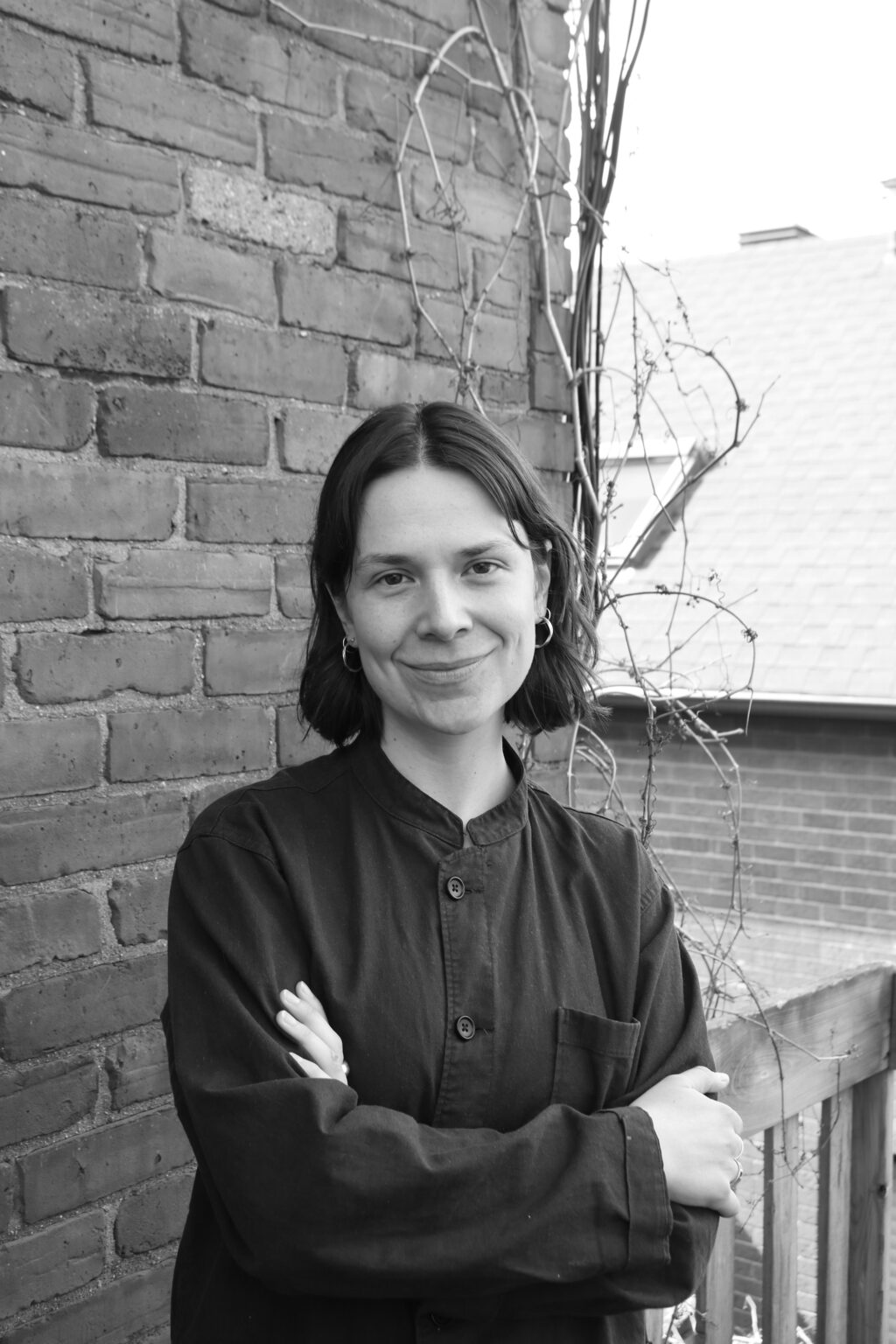
The prestigious award will allow Stokes to travel internationally, conduct research, and work alongside leading architectural practices as they continue exploring one of the defining questions of their work: how architecture can move beyond minimum standards to create spaces that genuinely support diverse human experiences.
Designing Beyond Compliance
Stokes’ graduate research examined the relationship between architecture, gender, and embodiment—how the built environment shapes the ways people understand themselves and navigate the world.
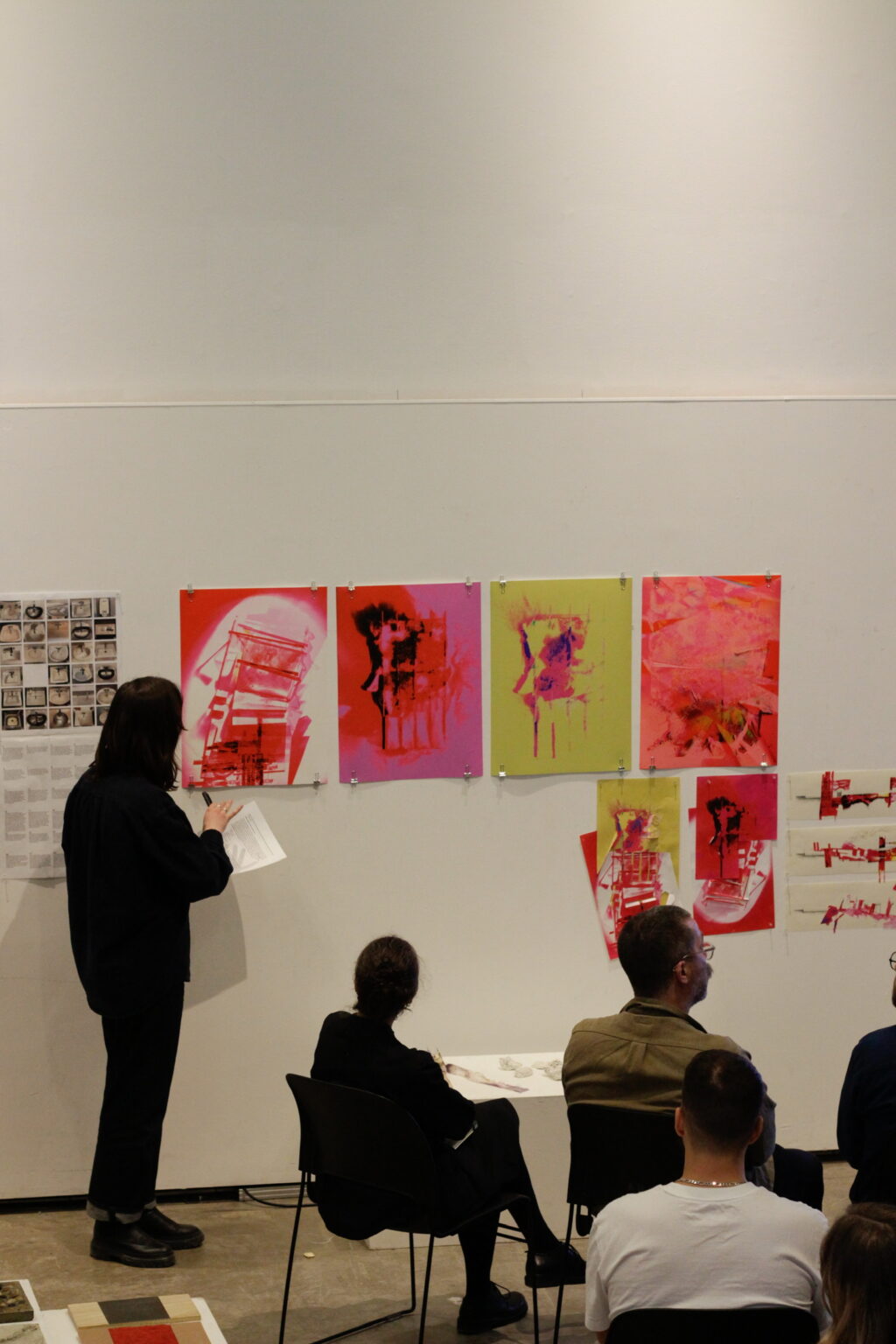
While their work intersects with accessibility, they believe the profession must move beyond viewing inclusion as a technical checklist.
“Accessibility should begin with disability rather than compliance,” they explained. “People with disabilities are innovators by necessity, and when we design from those experiences, everyone benefits.”
Rather than treating accessibility as a code requirement to satisfy, Stokes sees it as one of architecture’s greatest creative opportunities.
“Accessibility is an opportunity for creativity,” they said. “It challenges us to rethink assumptions and design spaces that acknowledge the complexity of human experience instead of forcing people to fit a single idea of what a body or a space should be.”
Challenging Assumptions Through Design
Throughout their thesis, Stokes drew inspiration from scholarship beyond architecture, incorporating perspectives from transgender and queer studies to better understand how social norms become embedded within the built environment.
Sometimes, they say, the most ordinary spaces reveal just how arbitrary those assumptions can be.
They point to something as simple as a gendered outhouse—a single enclosed space designated exclusively for one gender—as an example of how architecture can quietly reinforce social conventions without questioning whether they make sense.
For Stokes, moments like these demonstrate that architecture is never neutral. Every design decision communicates ideas about who belongs, who is expected, and whose needs are prioritized.
“I wish people understood that the ways we’ve designed our built environment have not always existed,” they said. “They’ve changed before, and they’ll continue to change. We have more agency than we think.”
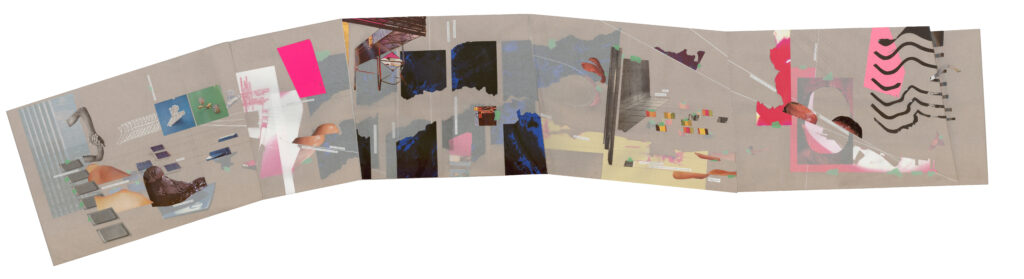
Learning Beyond the Classroom
Originally from Winnipeg, Stokes completed their undergraduate degree in Environmental Design at the University of Manitoba before joining Carleton’s three-year Master of Architecture program.
They credit ASAU with providing an environment where they felt both challenged and supported while developing their research interests.
Among the most influential experiences during their time at Carleton was working with the Architecture Action Lab, supporting initiatives including the Vanier Design-Build project, community land trust research, and grant development.
“Working with Menna and Sally showed me how design can be a tool for community,” they said. “Seeing the care they bring to participatory design fundamentally shaped how I think about architecture.”
Looking Abroad
As part of the Prix de Rome, Stokes will spend the coming year exploring architectural practices abroad, with current plans focused on opportunities in London, France, the Netherlands, and Austria.
Rather than searching for iconic buildings, they hope to learn from designers who have embraced accessibility as a creative design challenge.
“I’m excited to see how others have questioned the status quo,” they said. “I want to understand how they approached accessibility beyond code, what challenges they encountered, and how those ideas are reflected in the built environment.”
Architecture as Collective Work
Today, Stokes works with Juxta Architects, where heritage conservation and adaptive reuse continue to reinforce many of the questions explored in their academic research.
Working with existing buildings, they say, requires architects to creatively balance accessibility, sustainability, heritage, and climate responsibility—issues they believe can no longer be treated separately.
Looking ahead, they hope their work will encourage broader conversations about who architecture serves and whose experiences are reflected in public space.
“I hope my work helps more people see themselves represented in the built environment,” they said. “Ultimately, I hope it encourages us to question how we design, who the process supports, and why.”
Although the award recognizes their individual achievement, Stokes is quick to emphasize that it belongs to a much larger community.

“It doesn’t feel like recognition for just me,” they reflected. “It’s recognition for everyone who has shared their knowledge, challenged me, and supported me over the past eight years. I’m incredibly grateful for all of them.”