From User to Toolmaker: Nicolas Arellano’s Vision for Open-Source Architecture
After seven years of research, experimentation, and collaboration, Nicolas Arellano has successfully completed his PhD at Carleton University’s Azrieli School of Architecture & Urbanism (ASAU). His dissertation, Deblackboxing the Architect’s Toolbox: Open-Source Toolmaking for Architects Beyond Proprietary Software and Closed File Formats, was awarded the rare distinction of passing without revisions and has been nominated for a Senate Medal.
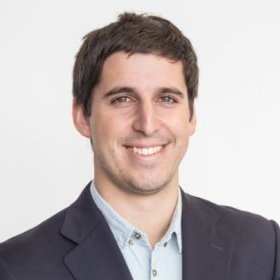
For Nicolas, the research emerged from a challenge he encountered firsthand as both an architect and technology researcher. While studying architecture and later working with digital technologies at the Carleton Immersive Media Studio (CIMS), he often found himself constrained by the limitations of proprietary software.
“Many of the tools architects use are essentially black boxes,” says Nicolas. “When a tool doesn’t do exactly what you need, you’re forced to find workarounds rather than being able to adapt the tool itself.”
His dissertation explores how architects can move beyond being passive users of software and become active participants in shaping the tools they use. The concept of “deblackboxing” refers to opening these systems, allowing users to understand how they work, modify them, and create solutions tailored to specific design challenges.
Understanding the Tools We Use
At the heart of Nicolas’s research is a simple but powerful question: Should architects adapt their work to fit existing software, or should they be able to adapt software to fit their work?
His research identified a growing need for architects to develop a deeper understanding of the technologies that increasingly shape design practice. Rather than focusing exclusively on teaching students how to use specific software platforms, Nicolas argues that architectural education should also help students understand the logic behind digital tools.
“We need to be critical of the tools we use,” he explains. “Architects shouldn’t become slaves to software. We should be able to choose, modify, and even create the right tool for the problem we’re trying to solve.”
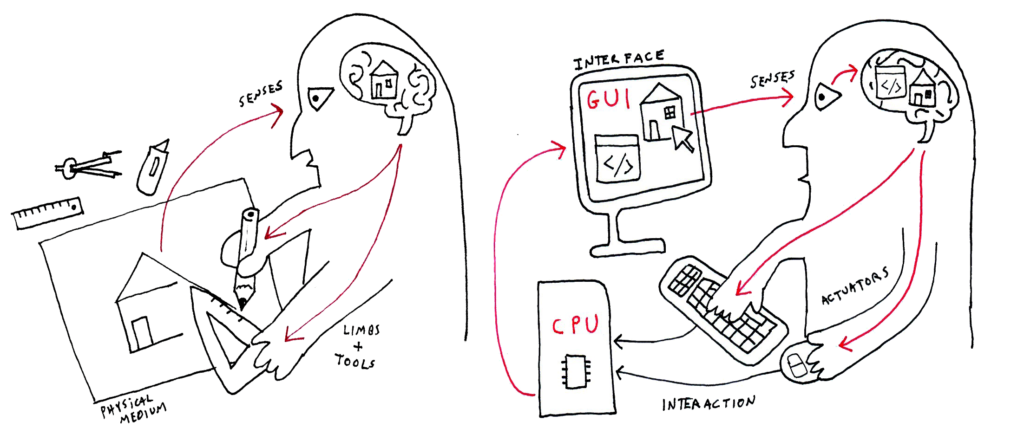
To address this challenge, Nicolas developed an open-source university course that introduced architecture students to toolmaking and programming. The course encouraged students to explore how software works, experiment with new technologies, and adopt an open-source mindset centred on collaboration and knowledge sharing.
Building Tools for Communities
The second pillar of Nicolas’s research focused on creating practical alternatives to proprietary software systems.
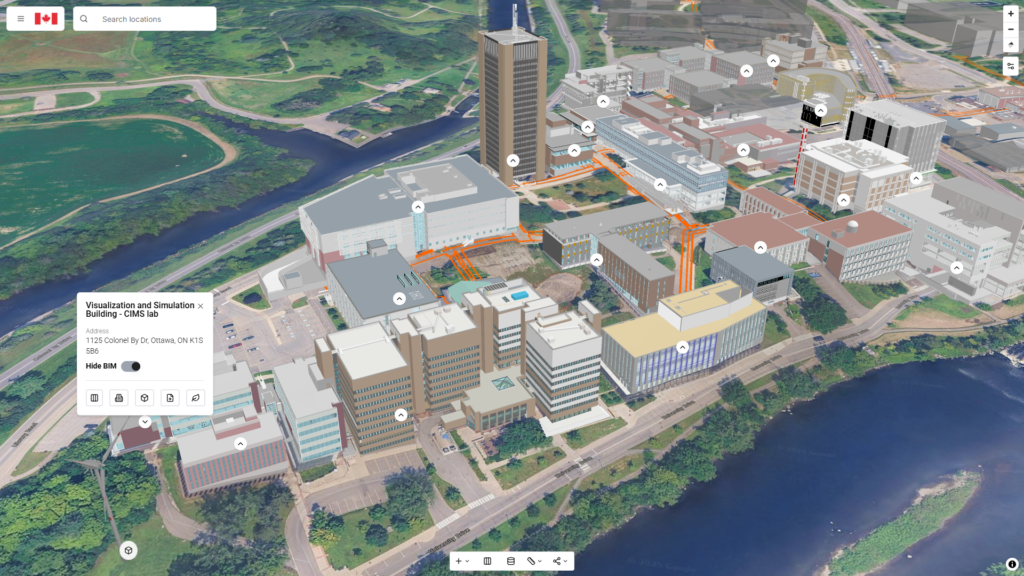
As part of his doctoral work, he helped develop an open-source BIM/GIS platform that allows institutions, researchers, and communities to collaborate using shared digital representations of buildings, neighbourhoods, and landscapes. The platform has been applied in projects involving municipalities, research institutions, and government partners, including work related to housing, arts and culture, and building standards.
The project has since evolved into Collab Digital Twins, a non-profit foundation dedicated to building shared digital infrastructure for the public good.
“Technology should help people work together,” says Nicolas. “The goal isn’t just the platform itself. It’s creating connections between communities, researchers, and institutions so they can better understand and shape the places they share.”
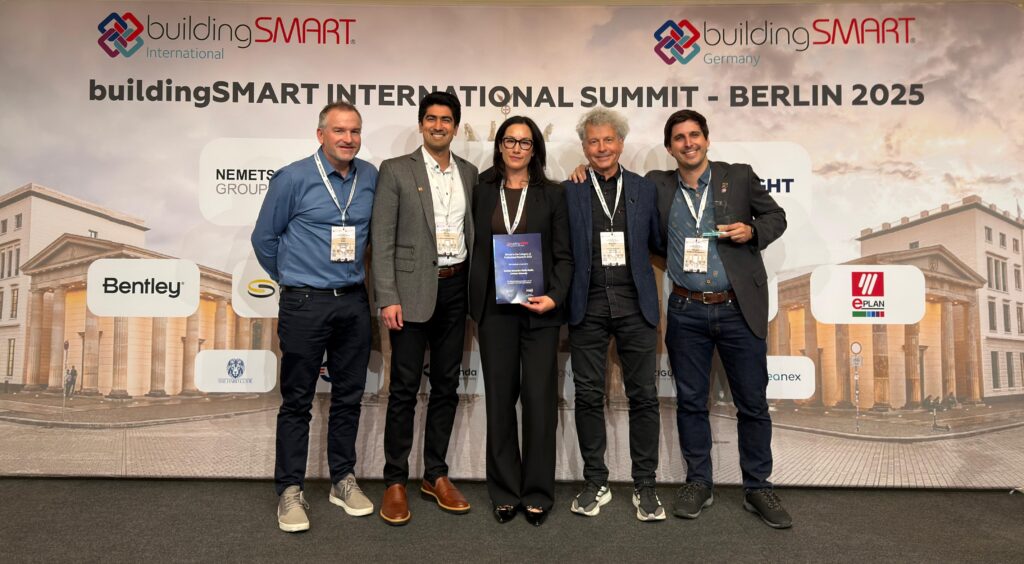
The initiative has received national recognition, earning both a Research Academic Award and Innovation Award at the Building Transformation Awards in 2024, followed by an Open BIM Award at the BuildingSMART International Awards in 2025. The work has also attracted support through major research and industry partnerships, including New Frontiers in Research Fund and Mitacs-funded projects.
A Collaborative Journey
Reflecting on his time at ASAU, Nicolas credits much of his success to the collaborative environment he found at Carleton.
Working alongside researchers, faculty members, and colleagues at CIMS helped shape both his research and his understanding of architecture as an interdisciplinary field. He is particularly grateful to his supervisor, Professor Stephen Fai, his advisors Federica Goffi and Azam Khan, and the many collaborators who contributed to the development of the Collab Digital Twins initiative.
For Nicolas, the experience reinforced the importance of bringing together expertise from architecture, software development, heritage conservation, planning, and community engagement to address complex challenges.
Looking Ahead
Now that his PhD is complete, Nicolas plans to continue advancing open-source approaches to architectural practice, education, and digital infrastructure.
While the technologies themselves will continue to evolve, he believes the core message of his research will remain relevant: architects should have a greater role in shaping the tools that shape their work.
By opening the “black box” of architectural software, Nicolas hopes to empower the next generation of architects to become not only users of technology, but creators of it.
“Understanding how tools work gives us more freedom,” he says. “And with that freedom comes the ability to build better solutions for the communities we serve.”
About the PhD in Architecture
The PhD in Architecture program at the Azrieli School of Architecture & Urbanism is an innovative, comprehensive doctoral program that fuses research with critical practice in architecture through the combined exploration of a dissertation and an epistemic object, which is uniquely defined in relation to the research.
The program’s exceptionally talented and thoughtful students undertake original, speculative, and experimental research. Doctoral projects draw on the interrelated reflective aspects of architecture, design, and material processes. The PhD students explore a range of media that support their investigations, including film, drawing, modeling, and mapping.
The PhD rigorously prepares graduates for academic and professional fields.
The PhD Program in Architecture helps form reflective practitioners and critical thinkers who will contribute to both practice and academia, challenging current and dominant understandings of architecture practice and pedagogy and contributing to the renewal of architectural knowledge.