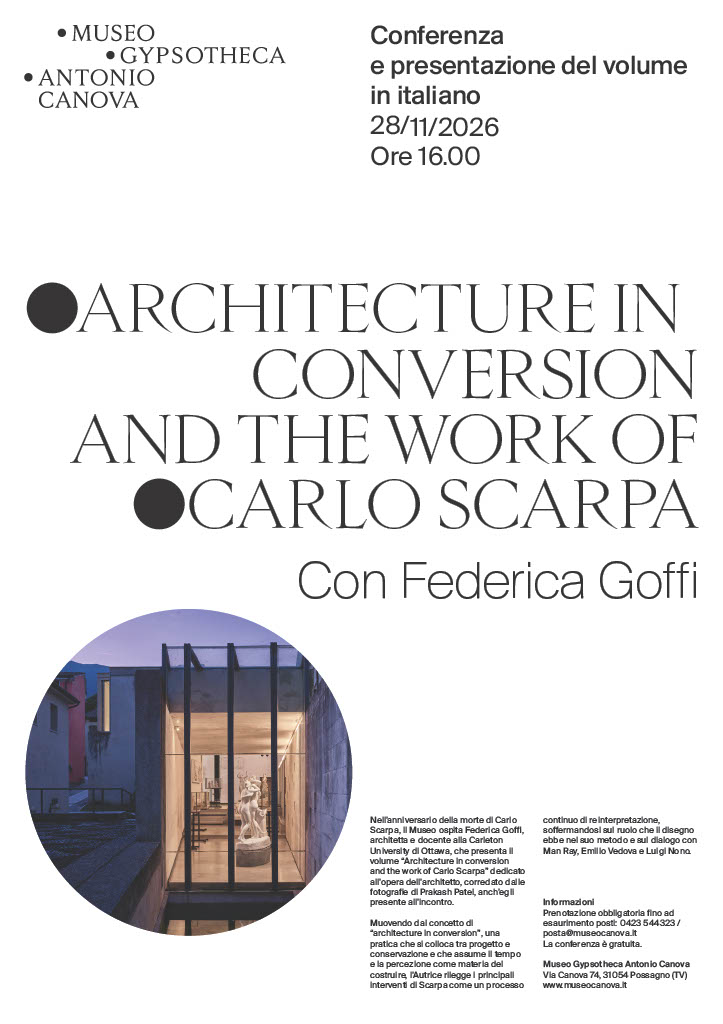
ARCHITECTURE IN CONVERSION AND THE WORK OF CARLO SCARPA
Book Launch by Prof. Federica Goffi at the Antonio Canova Museum in Possagno, Treviso, Italy
Professor Federica Goffi will deliver an invited lecture: ARCHITECTURE IN CONVERSION AND THE WORK OF CARLO SCARPA at the Museo Gypsotheca Antonio Canova on November 28, 2026, in Possagno, Treviso, Italy.
To mark the anniversary of Carlo Scarpa’s (1906-1978) death, as part of “Circuiti Scarpiani” series, the Canova Museum Director, Dr. Moira Mascotto, will host architect and Carleton University professor Federica Goffi for the lecture and presentation of her book, Architecture in Conversion and the Work of Carlo Scarpa. The volume, published by Lund Humphries in December 2025, features photographs by Prakash Patel, who will also be in attendance.
Dr. Goffi will present the notion of “architecture in conversion” as it contributes to the discourse on the adaptability practices for heritage and non-heritage buildings.
The book explores the work of Carlo Scarpa (1906–1978) through the concept of “architecture in conversion”—a practice situated between architecture and conservation, which treats time, change, climate, and perception as fundamental elements of the design process. In this light, Scarpa’s architecture is re-examined not merely as the transformation or reuse of existing buildings, but as an ongoing process of conversion and reinterpretation.
Architecture in conversion considers how sites incorporate change over long periods through the conversions of time, weather, and tempo, manifesting the potentiality of adaptability in architecture, explains Goffi.
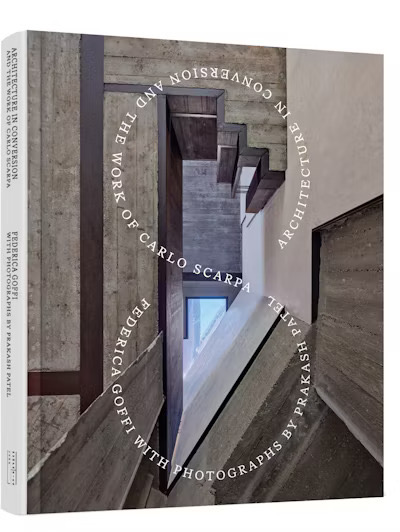
Through an analysis of key projects, drawings, and construction details, Goffi delves into the central role of drawing in Scarpa’s practice, his relationships with artists such as Man Ray and Emilio Vedova and the composer Luigi Nono, and the collaborative nature of his work. Special attention is also given to the sensory experience of architecture and the notion of “unfinished architecture.” Scarpa’s drawings and photography by Prakash Patel illustrate the publication.
The event will also provide an opportunity to reflect on the relationship between architecture, time, and conservation—themes that resonate deeply within the Museo Gypsotheca Antonio Canova, a space where memory, materiality, transformation, and the transmission of artistic work coexist on a daily basis.
Over the past 10 years, Dr Goffi’s research has focused on architecture in conversion, especially through the work of Scarpa, studying his drawings and built work in Venice, Verona, Treviso, Possagno, Altivole, and Palermo.
Her research concerns the renewal of buildings, whether they be heritage or not, questioning the relationship between architecture and time. Starting from the idea that a building is a sustainable work-in-progress and not the result of a single event of design, her work investigates built conservation as a form of invention and imagination.
The event is organized as part of the Circuiti Scarpiani series, a collaborative cultural and educational initiative co-promoted by Università Ca’ Foscari Venezia and Università Iuav di Venezia, alongside the Fondazione Querini Stampalia Onlus and the FAI (Fondo Ambiente Italiano). The series centers around the preservation, presentation, and academic exploration of the architectural and museographic heritage of Italian architect Carlo Scarpa.
About Museo Gypsotheca Antonio Canova
The Canova Foundation manages the Antonio Canova Gipsoteca (plaster cast gallery) in Possagno, Italy. It was established in 1853 by Giovanni Battista Sartori (1775–1858)—Antonio Canova’s half-brother and heir. Its primary focus is cultural activities aimed at preserving Antonio Canova’s works—including safekeeping and restoration—and fostering the memory and understanding of his art through exhibitions, conferences, guided tours, and publications.
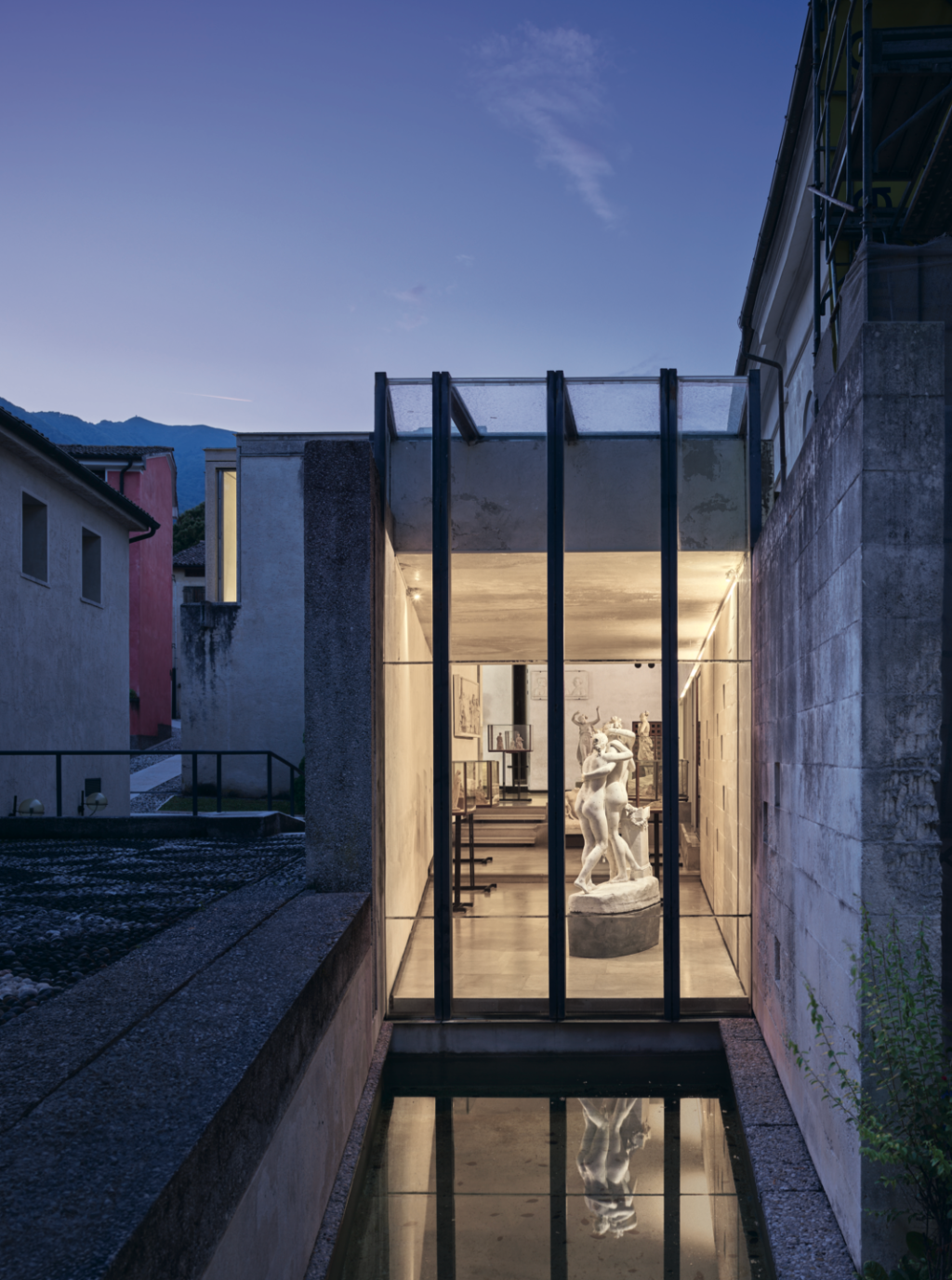
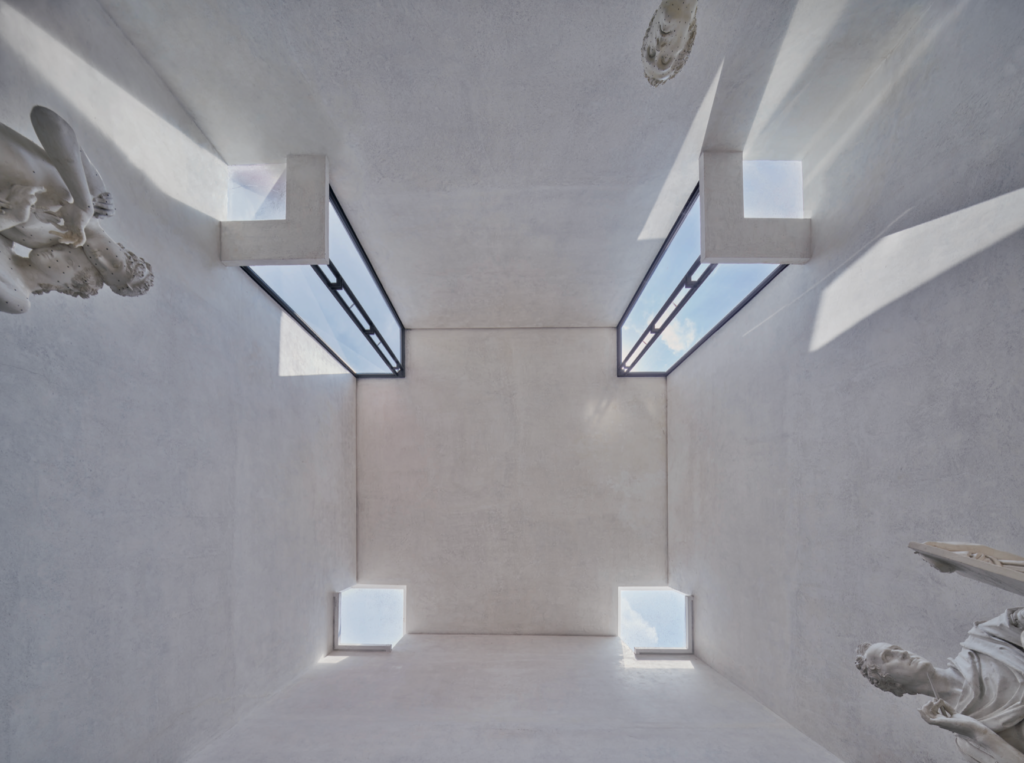
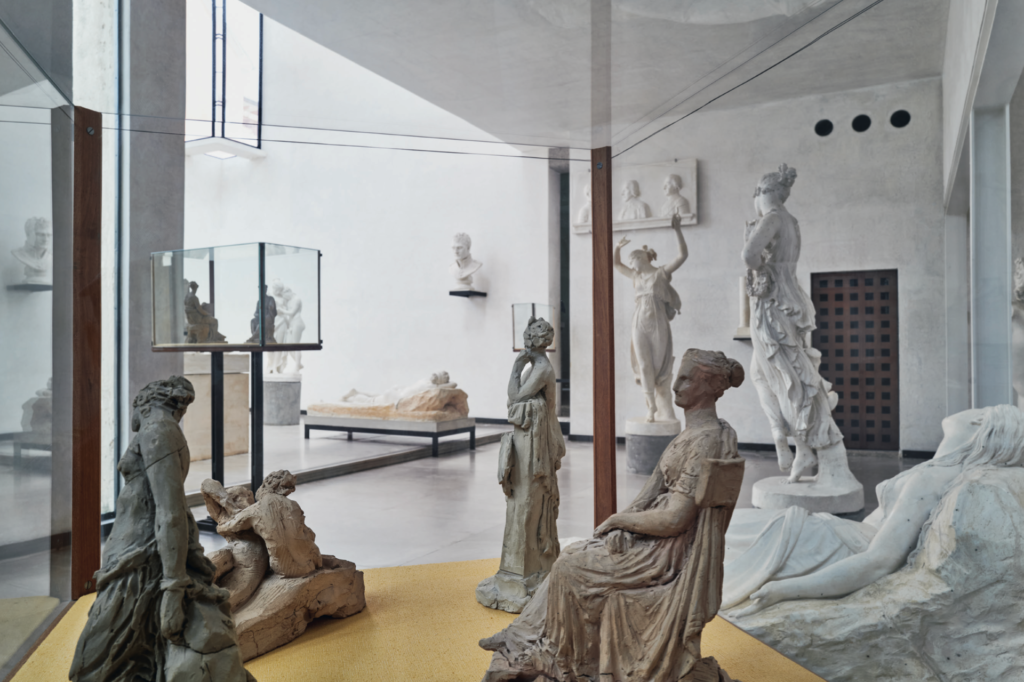
The museum complex—one of the first of its kind in the Veneto region—comprises the artist’s birthplace and the Gypsotheca (plaster-cast gallery). The latter is housed within the original basilica and an extension designed by Carlo Scarpa; it contains the original plaster models from which the marble sculptures—now held in major museums around the world—were created. The birthplace houses the artist’s paintings, drawings, engravings, and personal belongings.
In addition to the birthplace and the Gypsotheca, the museum complex includes the Ala Gemin (Gemin Wing), a library, a garden, and an orchard.
About Federica Goffi and Prakash Patel
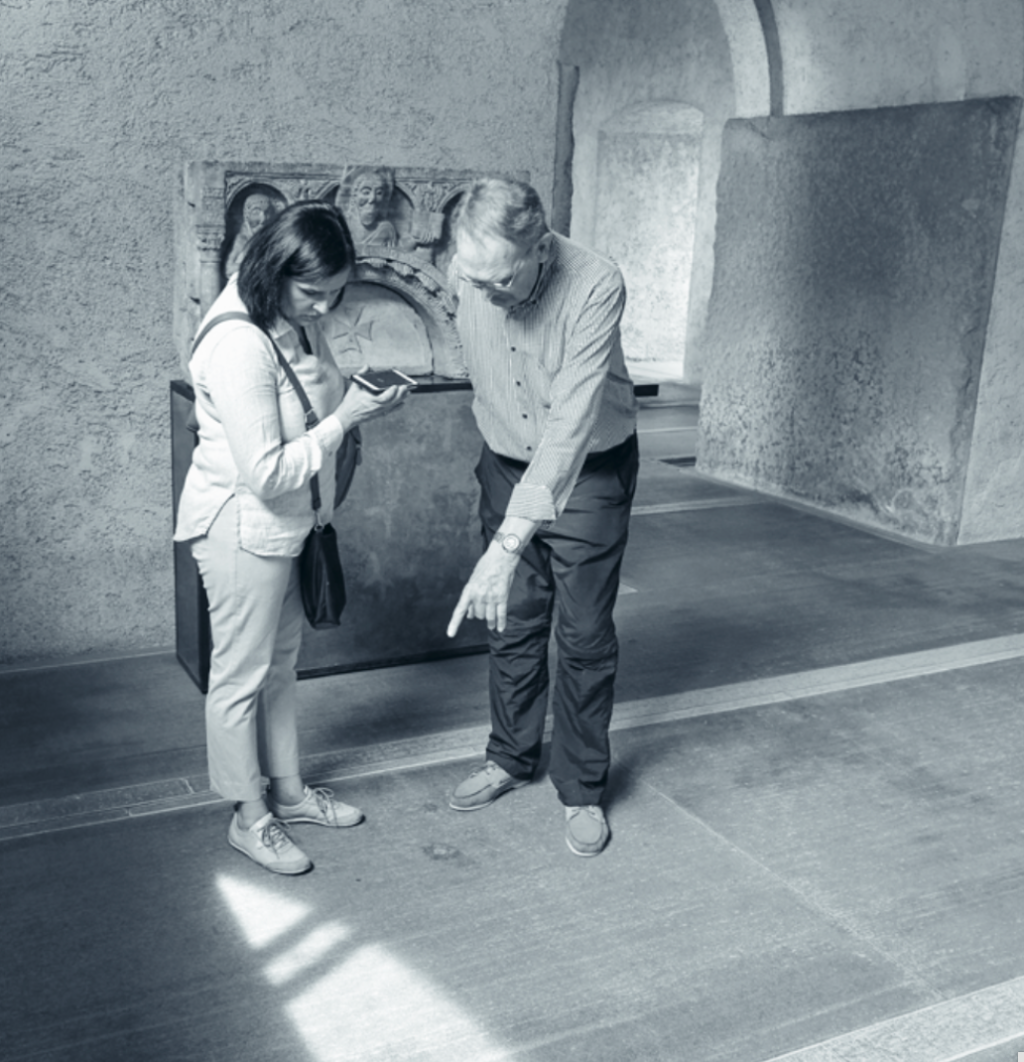
discussing the method for carrying out
the concrete floor in the sculpture gallery
of the Castelvecchio Museum, Verona, Italy (11 July, 2019).
Federica Goffi is a professor of architecture at the Azrieli School of Architecture & Urbanism at Carleton University, where she has taught since 2007. She is the chair of the Carleton Research | Practice of Teaching | Collaborative (C R | P T | C). Goffi holds a PhD from Virginia Tech in Architecture and Design Research. She has published book chapters and journal articles on the threefold nature of time-weather-tempo.
Goffi’s research concerns the renewal of buildings and questions the relationship between architecture and time. She authored Time Matter(s): Invention and Re-imagination in Built Conservation: The Unfinished Drawing and Building of St. Peter’s in the Vatican (Ashgate, 2013). Goffi holds a Dottore in Architettura from the University of Genoa, Italy. She is a licensed architect in her native country, Italy.
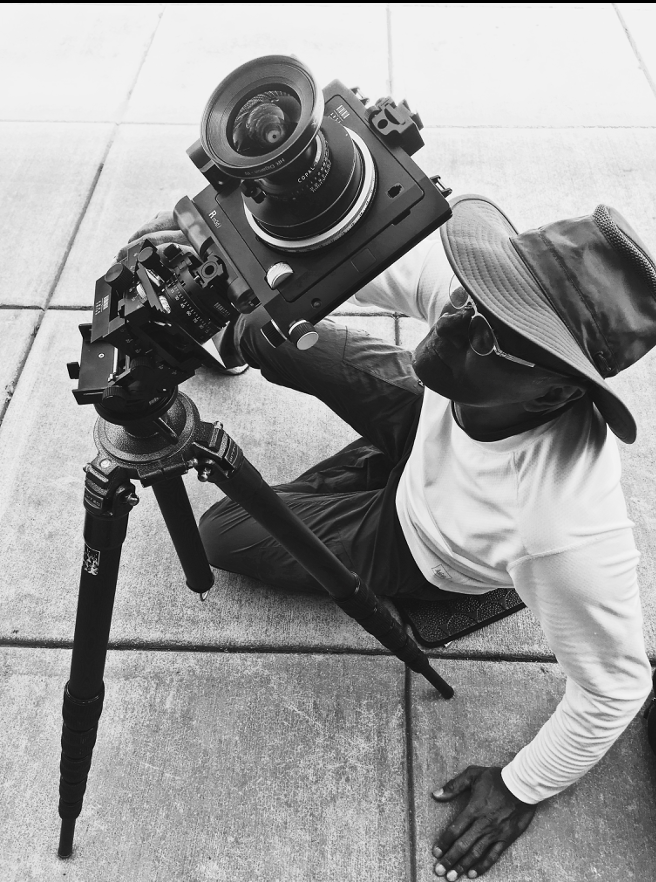
Prakash Patel is an American architectural photographer and architect with 28 years of experience in the field. His work has been published in architectural journals and design media worldwide. Fueled by a passion for design, Patel captures the ephemeral qualities of space while revealing the ideas behind the design. He is a licensed architect in the District of Columbia, where he lives and works. Patel studied architecture at Virginia Polytechnic, USA.
About Lund Humphries
Lund Humphries is a long-established, independent publisher of beautifully produced books on art, architecture, and design. Their list encompasses books for visual arts scholars, professionals, students, and art enthusiasts. Many of their books are published in partnership with leading museums and galleries internationally, often to accompany exhibitions.
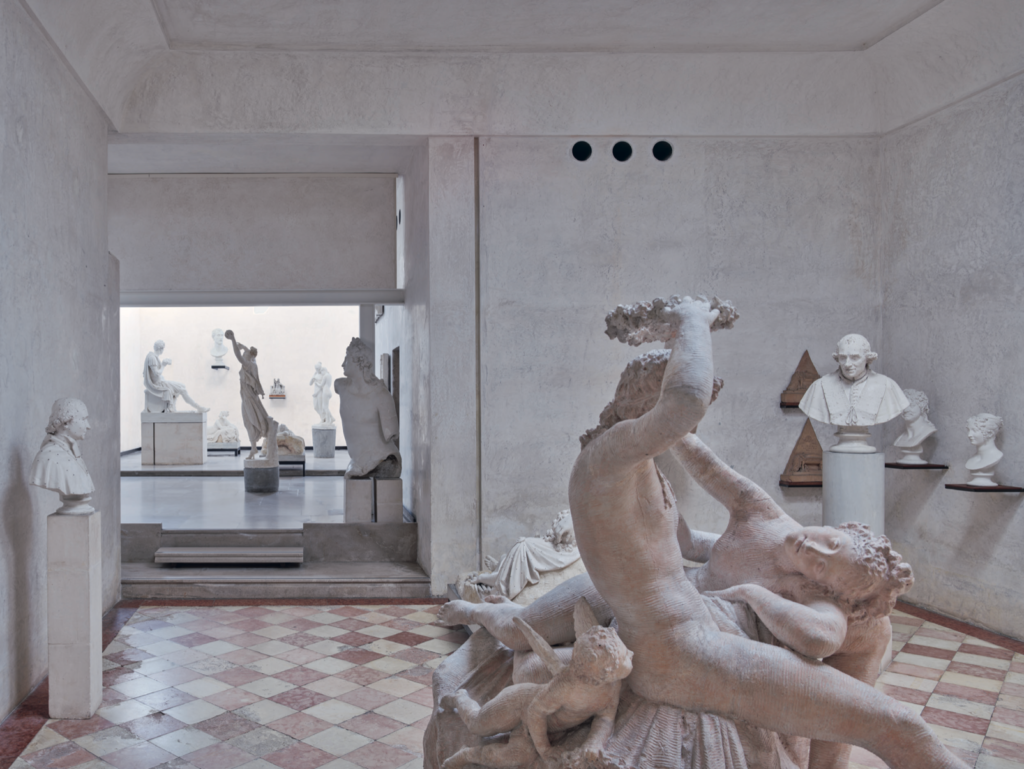
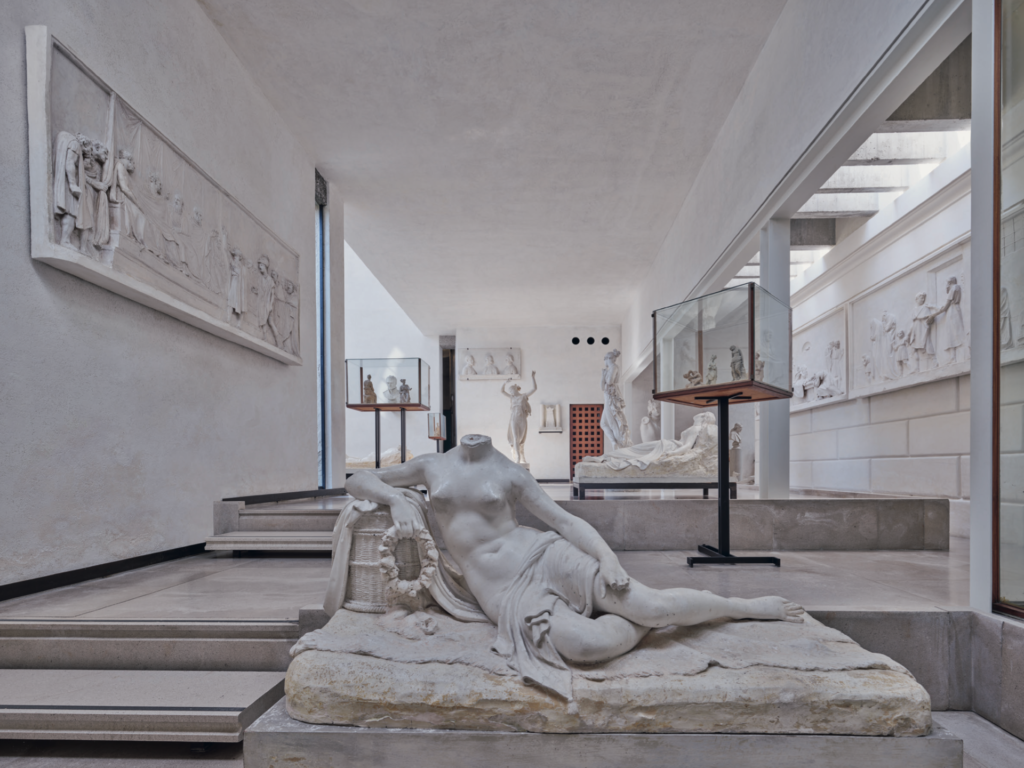
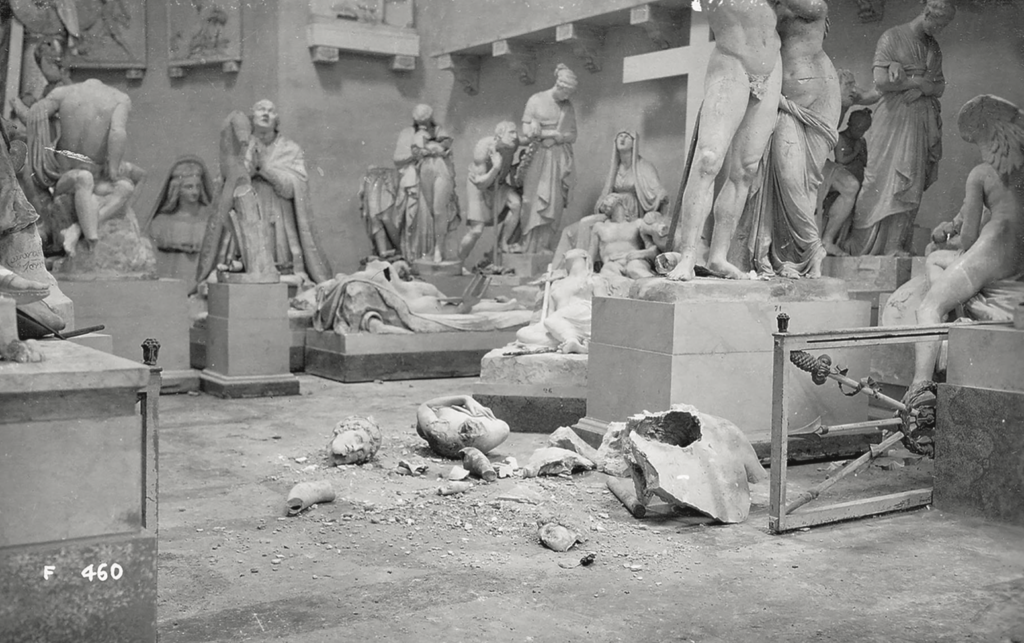
Vittorio Veneto, Treviso, Inv. No. 02502.